Rimona Afana
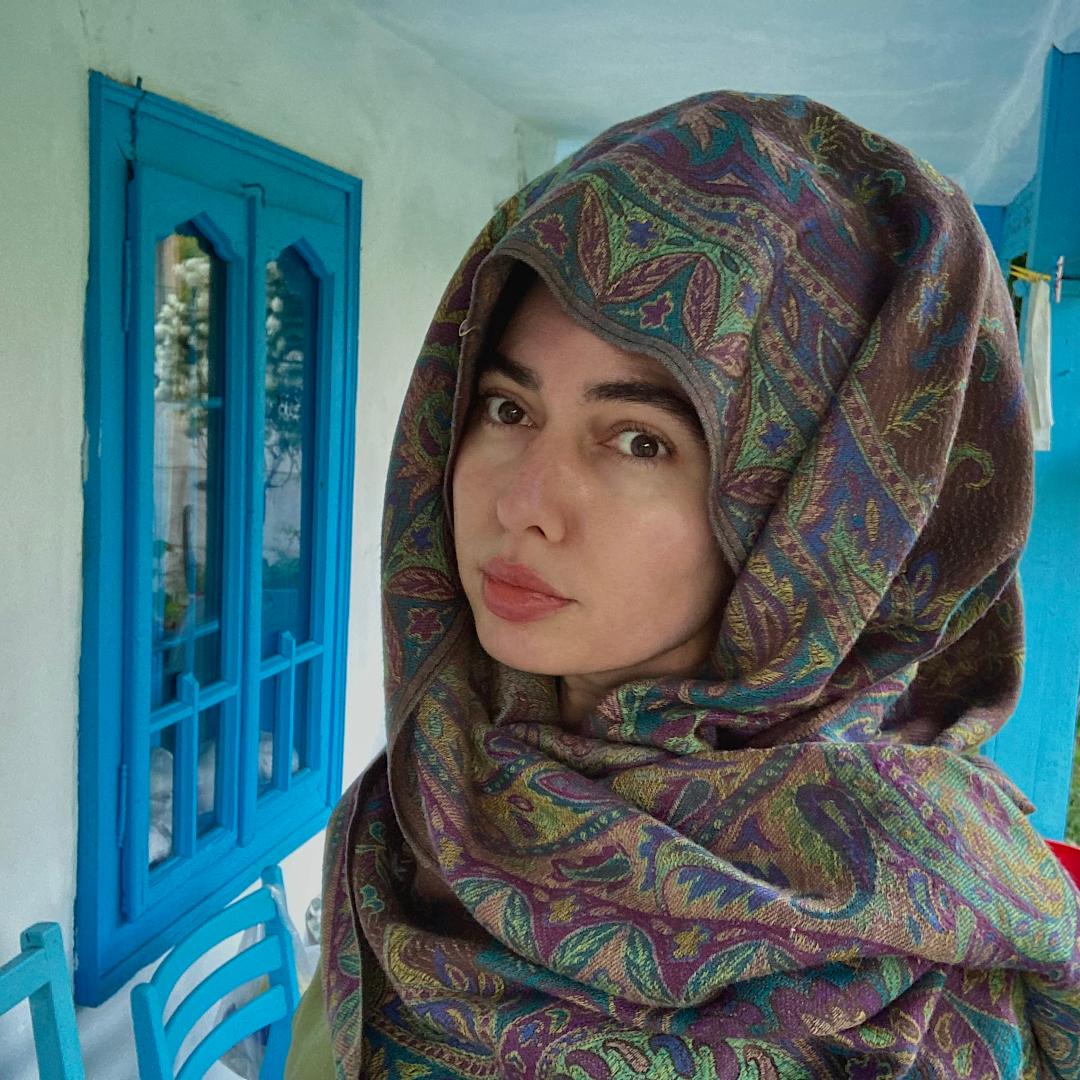
Rimona Afana received a grant from CAF for her project “Nonhuman Captivity: Challenging the Criminality of Confinement.”
Captivity defines the lives of billions of nonhuman animals: confined, tortured, killed for profit. Though sentient beings suffer physically and psychologically from confinement, the practice remains routine across sectors like food, clothing, medicine, entertainment. Animals’ need for freedom, autonomy and bodily integrity collides with our “right” to (ab)use them. For both wild and domesticated animals, captivity is part of a continuum of torturous practices and is often the precursor of killing. Drawing on law, criminology, psychology, and ethics, Rimona documents why the captivity of beings with complex sentience is a non-criminalized crime.
Over the past year, she has written three articles that are either submitted or under revision with a fourth in progress; she has presented at Journal of Animal Rights Law’s “Restorative Justice and Animal Law” symposium and TIES Interspecies Living Lab at Cluj University; and, she has upcoming research visits to Hamburg, Munich, Athens, and Queen’s University Belfast. Since the normalization of captivity rests on its invisibility, the project developed a critical approach to nonhuman captivity and sought to inspire creative, courageous ways to challenge it.
Rimona Afana is a Romanian–Palestinian researcher, lecturer, activist, and multimedia artist. Her research on war crimes, crimes against humanity, and crimes against nature and against nonhuman animals is published in leading law and criminology journals and books. Her artwork appears in literature journals, arts magazines, festivals and exhibitions. Over the past twenty years she has also created or contributed to many civic projects on human and nonhuman rights, in different countries. Rimona is also the convener of Ecocide/Speciesism: Legislating Hierarchy, Interdependence, Death, an international symposium that explores crimes against nonhumans. In 2022, 2024 CAF grantee, Kasia Oleśkiewicz, presented ‘The Farm Project: Commemorating Non-human Suffering’ at the symposium.